
How to Learn an Instrument Fast
If you're wondering how to learn an instrument fast, the answer isn't to practise for hours every day. The fastest progress comes from playing music you love, learning consistently and being taught in a way that keeps you engaged.
At Good Vibes Music Academy, we've spent years developing an approach that helps students make rapid progress while enjoying every stage of their musical journey.
Here's what we've learned.
The Secret to Learning an Instrument Faster
There's a common misconception that becoming a good musician means endless scales, repetitive exercises and hours of practice.
The reality is much simpler.
Students who enjoy playing their instrument play more often.
The more they play, the faster they improve.
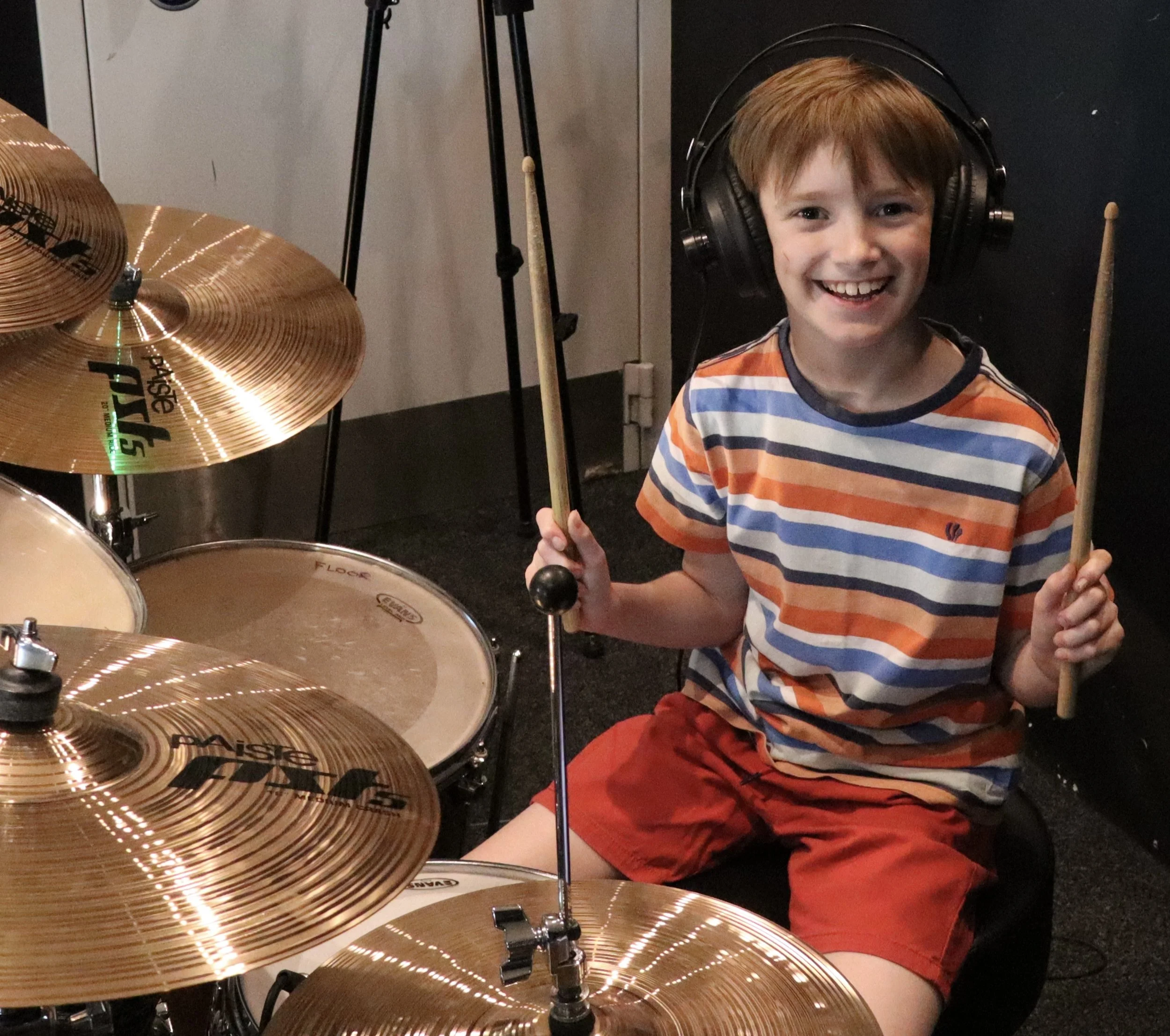
That's why every lesson at Good Vibes starts with music that students genuinely want to play. Whether it's Taylor Swift, Foo Fighters, Ed Sheeran, Olivia Rodrigo or Queen, learning through familiar songs keeps students motivated to pick up their instrument between lessons.
When playing feels enjoyable rather than a chore, practice becomes something students choose to do, not something they're told to do.
And that's where rapid progress begins.
Learn Music You Love
Learning an instrument should feel exciting from the very first lesson.
Instead of waiting months before playing recognisable songs, our students start learning real music straight away.
Playing familiar songs helps students:
Stay motivated
Play more regularly
Develop technique naturally
Understand how music works
Enjoy the learning process
It's a simple idea, but it's one of the biggest reasons our students make fast progress.
REAL Teaching
At Good Vibes, every lesson is built around our REAL Teaching approach.
REAL stands for:
Relevant
Lessons are centred around the student's interests, musical goals and favourite styles of music.
When learning feels relevant, students remain engaged and continue making progress.
Engaging
Students learn by doing.
Lessons are practical, interactive and full of playing, creating and making music rather than simply talking about it.
Assessment
Our teachers are continually checking understanding throughout every lesson, making small adjustments that help each student move forward at the right pace.
Language
The language teachers use has a huge impact on learning.
We explain musical concepts clearly, encourage independent thinking and create lessons where students understand not just what they're learning, but why.
Together, these four principles help students learn more effectively and progress more quickly.
The Five Pillars
Technical ability is only one part of becoming a great musician.
That's why every Good Vibes lesson develops our Five Pillars of Musical Development.
Ability
Building the technical skills needed to play confidently and fluently.
Creativity
Encouraging students to improvise, experiment and create their own music.
Musicianship
Developing an understanding of rhythm, harmony, style and musical expression.
Collaboration
Learning to play alongside other musicians through backing tracks, band sessions and live performance opportunities.
Performance
Giving students opportunities to share their music through concerts, open mic events, band nights and Trinity Rock & Pop exams.
Developing all five areas together creates well-rounded musicians who progress more quickly because every skill supports the next.
Follow a Clear Learning Pathway
One of the biggest barriers to progress is not knowing what to learn next.
That's why we've created the Good Vibes Learning Pathway.
Students begin with our exclusive Star Levels, developing the core skills needed to become independent musicians before progressing onto Trinity Rock & Pop Grades, which use real rock and pop songs.
Having clear milestones gives students regular achievements to work towards and makes progress easy to see.
Consistency Beats Long Practice Sessions
Parents often ask us how much their child should practise.
The answer might surprise you.
Ten or fifteen minutes of focused playing several times a week is usually far more effective than one long session at the weekend.
Regular playing helps students remember new skills, develop muscle memory and keep enjoying their instrument.
Consistency always beats intensity.
Learn From Teachers Who Perform
Our teachers are not only experienced educators but also active musicians.
Many regularly perform live, record music and work professionally within the music industry.
That experience helps bring lessons to life, giving students practical advice and showing how the skills they're learning are used in real musical situations.
Music Is Meant to Be Shared
One of the quickest ways to develop as a musician is by playing with others.
That's why Good Vibes students have opportunities to join band courses, perform at live events, take part in workshops and work towards Trinity Rock & Pop exams.
Applying new skills in real musical settings helps students develop musicality, timing and independence while making learning even more enjoyable.
How to Learn an Instrument Fast
If you're looking for the quickest way to learn an instrument, remember these simple principles:
Learn music you genuinely enjoy.
Play regularly, even if it's only for a few minutes.
Follow a clear pathway with achievable goals.
Learn from experienced teachers.
Play with other musicians whenever you can.
Enjoy the process.
At Good Vibes Music Academy, that's exactly what we do.
By combining REAL Teaching, our Five Pillars of Musical Development and the Good Vibes Learning Pathway, we've created a simple approach that helps students enjoy learning and make rapid progress from their very first lesson.
Start Your Musical Journey
Whether your child wants to learn guitar, drums, keyboard, vocals or bass, the best way to experience the Good Vibes approach is with a free trial lesson.
Come and meet one of our professional teachers, play music you love and discover how simple learning an instrument can be.